
The Benefits of Ping Pong in Maintaining Brain Health and Preventing Dementia
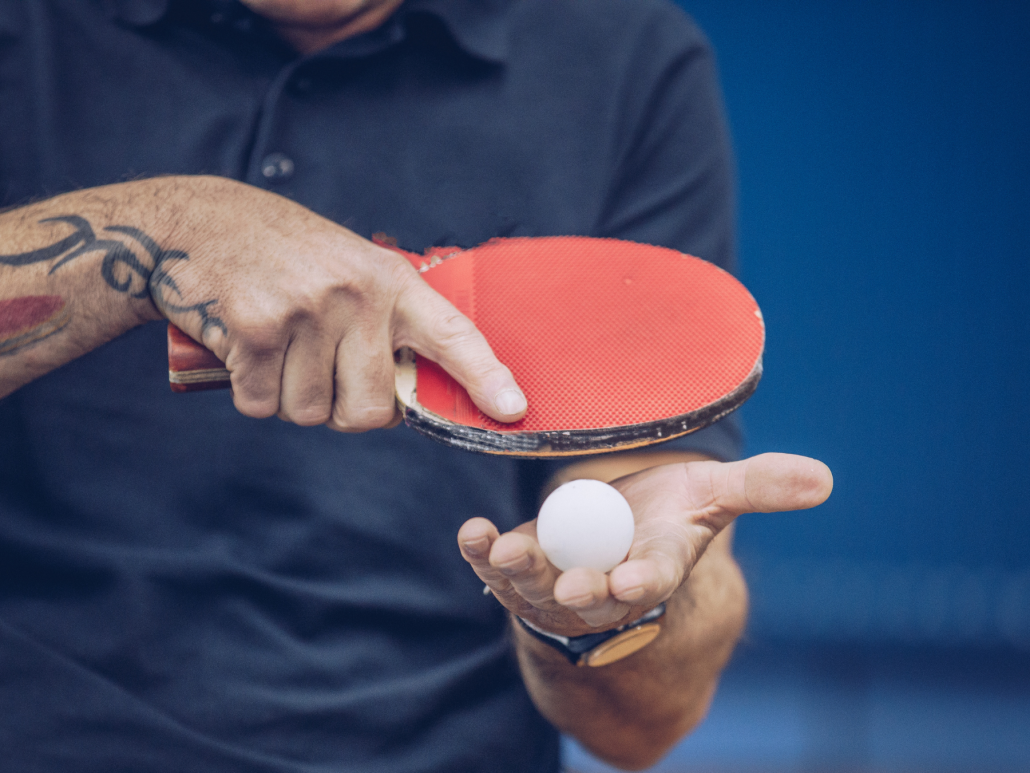
The sport of table tennis, as it is known in Greek, is a popular sport that does not require expensive equipment, specialized facilities, or physical contact between players. Ping Pong can be played by people of all ages, skill levels, and physical conditions, as the pace of the game can be adjusted accordingly. Injuries and accidents are rare.
The documented benefits of Ping Pong include improvements in hand-eye coordination, mental acuity, reflexes, balance, leg, arm, and core strength, as well as aerobic capacity. Furthermore, it offers a social outlet that can benefit both mental and physical health. Even recreational play has beneficial effects on body composition and lipid profiles in older adults. Participants also report higher life satisfaction and better physical self-perception compared to non-exercisers.
Research shows that physical exercise, in sports such as Ping Pong, can help prevent cognitive decline and dementia. This article examines the basic physical and cognitive demands of Ping Pong, reviews studies reporting improvements in physical and brain health, and evaluates the usefulness of Ping Pong for preventing cognitive decline and dementia.
Many studies have demonstrated the benefits of Ping Pong for body composition and physical fitness in children and adults. For example, adult Ping Pong players showed higher lean body mass and bone density, and lower fat mass and body fat percentage, indicating beneficial effects on overall health profiles.
There is no doubt that Ping Pong is popular worldwide because it can be played for either recreation or competition by the majority of the population regardless of age, gender, or skill level. Regular play not only provides safe, moderate-intensity aerobic exercise but also induces neuroplastic changes in multiple brain networks that support cognitive function. Therefore, Ping Pong is beneficial for both physical and brain health. Physical activity interventions using Ping Pong have been clinically proven to prevent cognitive decline and dementia in the elderly, and it has been suggested that the preventive effect of Ping Pong is superior to other aerobic exercises.
Consequently, Ping Pong is among the best sports for maintaining physical and brain health into old age.
The original article belongs to Takao Yamasaki and was published in Encyclopedia in 2022: Encyclopedia 2022, 2(3), 1577-1589; https://doi.org/10.3390/encyclopedia2030107
This post is also available in:


